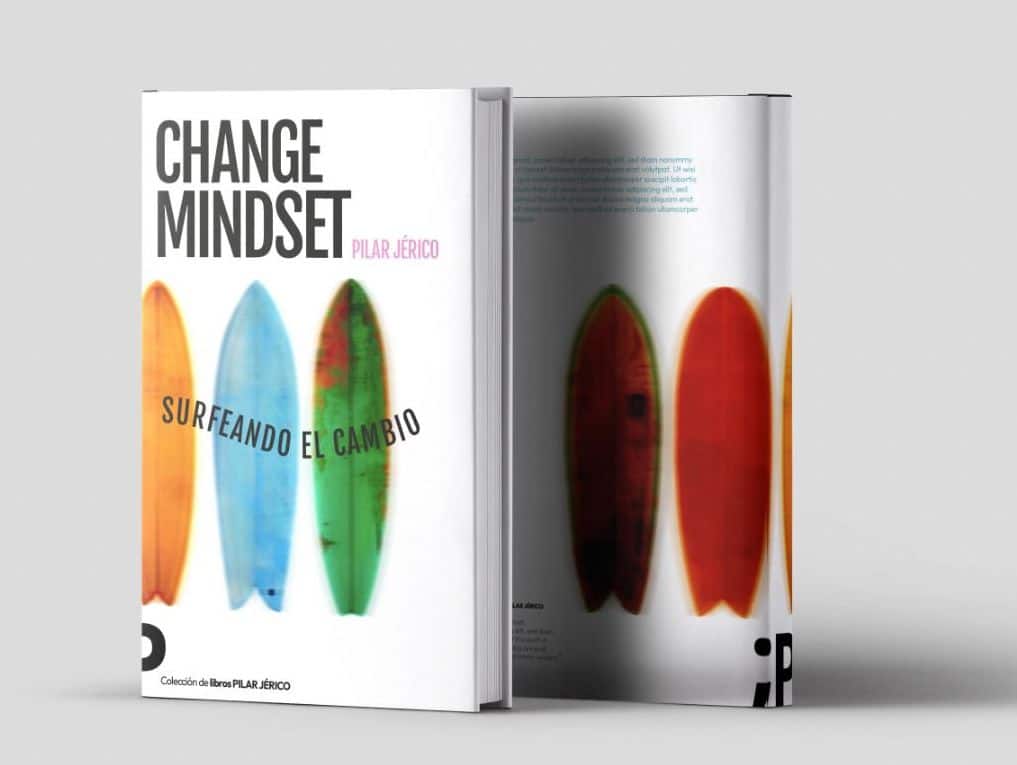
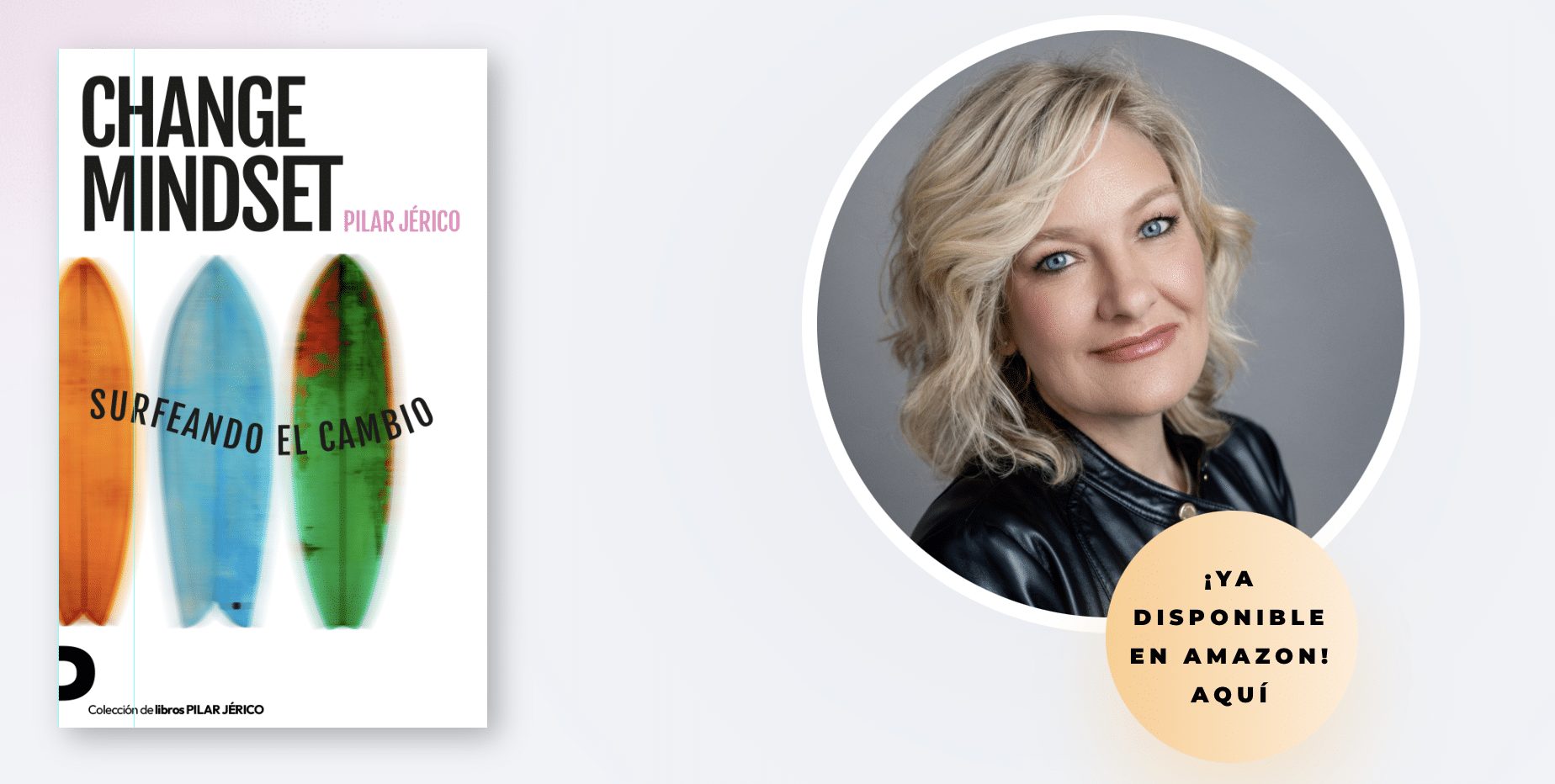
YA DISPONIBLE MI NUEVO LIBRO
CHANGE MINDSET
Conferencias inspiradoras
Mentalidad para el cambio (change mindset), NoMiedo, Liderazgo post-COVID, Liderazgo femenino, nuevas formas de trabajo, autoliderazgo y determinación
Conferencias inspiradoras
________
Mentalidad para el cambio (change mindset), NO Miedo, Liderazgo post COVID, Liderazgo femenido, nuevas formas de trabajo, autoliderazgo y determinación
Has podido verme en:

Ver a Pilar en acción
Premio Nacional de Management y Top 100 Mujer Líder, ha sido reconocida como una de las mejores conferenciantes en el mercado hispano y ha impartido más de 2.000 conferencias en 21 países desde 2001.
Referente internacional en desarrollo del liderazgo, mentalidad de cambio y NoMiedo, ha publicado siete libros y ha acompañado a más de 300 organizaciones en procesos de transformación y de desarrollo del talento.
Sobre mí
Empresaria, escritora y conferenciante.
Presidenta Ejecutiva y fundadora de la consultora Be-Up, escritora y conferenciante, ha publicado diversos best-sellers traducidos a seis idiomas y con más de 250000 ejemplares vendidos.
Ha ayudado en el desarrollo del liderazgo y del cambio a más de 134000 personas a través de sus conferencias y talleres. Colaboradora habitual de El País, su blog ha alcanzado los 3,2 millones de lectores al año. Profesora de escuelas de negocios.
Ha recibido 21 premios a su trabajo y a su trayectoria profesional. Es directora regional en Washington DC de Women Hispanic Executive Association, organización comprometida a impulsar la igualdad de género en el trabajo.
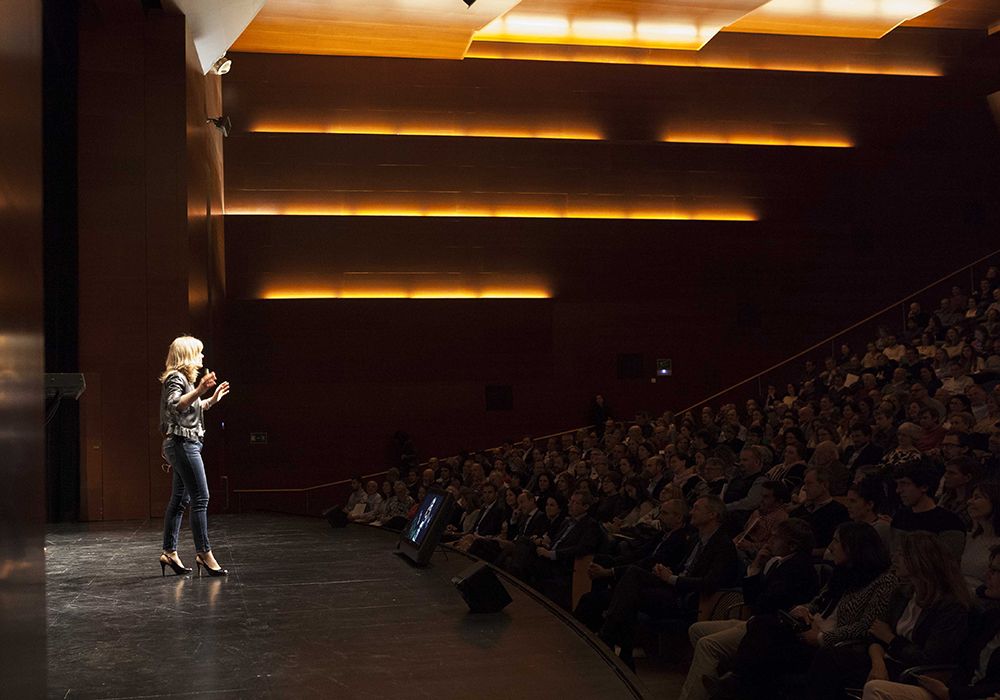
Doctora en Organización de Empresas y Economista, Pilar Jericó ha realizado estudios de especialización en estrategia en la Universidad de Harvard, estudos de comportamiento organizativo en la Universidad de UCLA y de liderazgo y valores en West Point. Pilar es madre de un niño.
Conferencias
Algunas conferencias destacadas de Pilar Jericó:
«Fracaso y Miedo» Womenalia
Cómo afrontar los cambios | TEDxGranVia
PILAR JERICÓ – Inspiración
Pilar Jericó | Mentes expertas
PILAR JERICÓ – Inspiración
Cómo desarrollar las personas y su talento en las empresas
Algunos Clientes:
«Una transformación no se produce si no cambias también tu mentalidad y tus hábitos»
Testimonios
«Después de más de 25 años en posiciones de liderazgo de recursos humanos y talento de WW HR, puedo decir que no es tan fácil encontrar un perfil tan único. Llegué a España hace unos dos años y comencé a colaborar con Pilar y la Compañía que preside en una serie de proyectos de consultoría de alto nivel.»
«Realmente admiro en Pilar cómo combina 3 roles principales en 1: gurú de la administración, escritora y oradora principal. Estos tres ingredientes la convierten en el mejor cóctel para el desarrollo de organizaciones y crecen siempre en función de las personas.»
«Pilar ha sido clave en mi carrera profesional. Trabajamos juntos durante los últimos tres años y medio, donde formé parte de su equipo como Directora Creativa. Trabajar junto a Pilar ha sido una experiencia enormemente motivadora. Ella tiene la capacidad de sacar lo mejor de sus equipos, guiando y monitoreando»
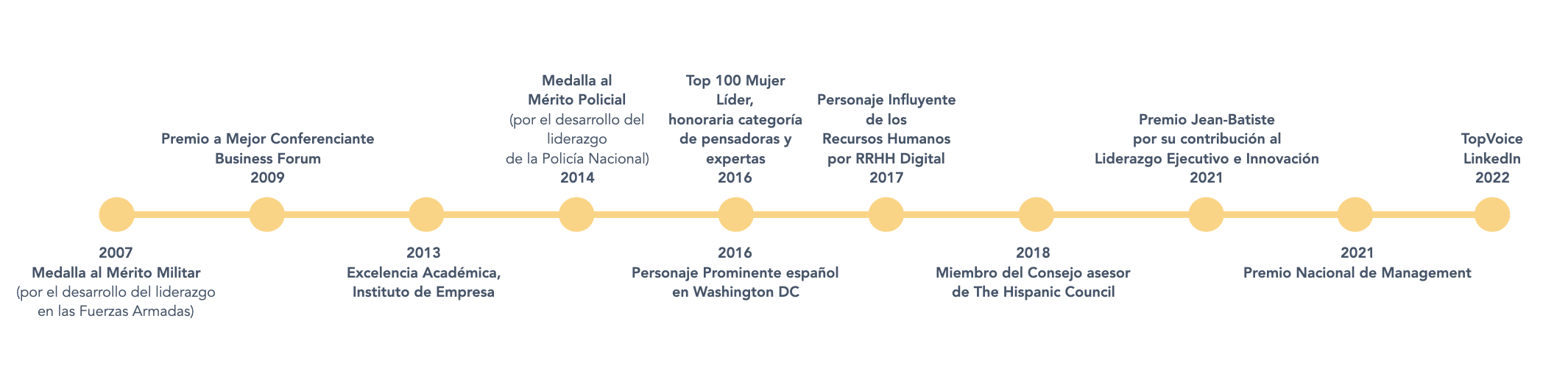
Algunos Premios y Reconocimientos
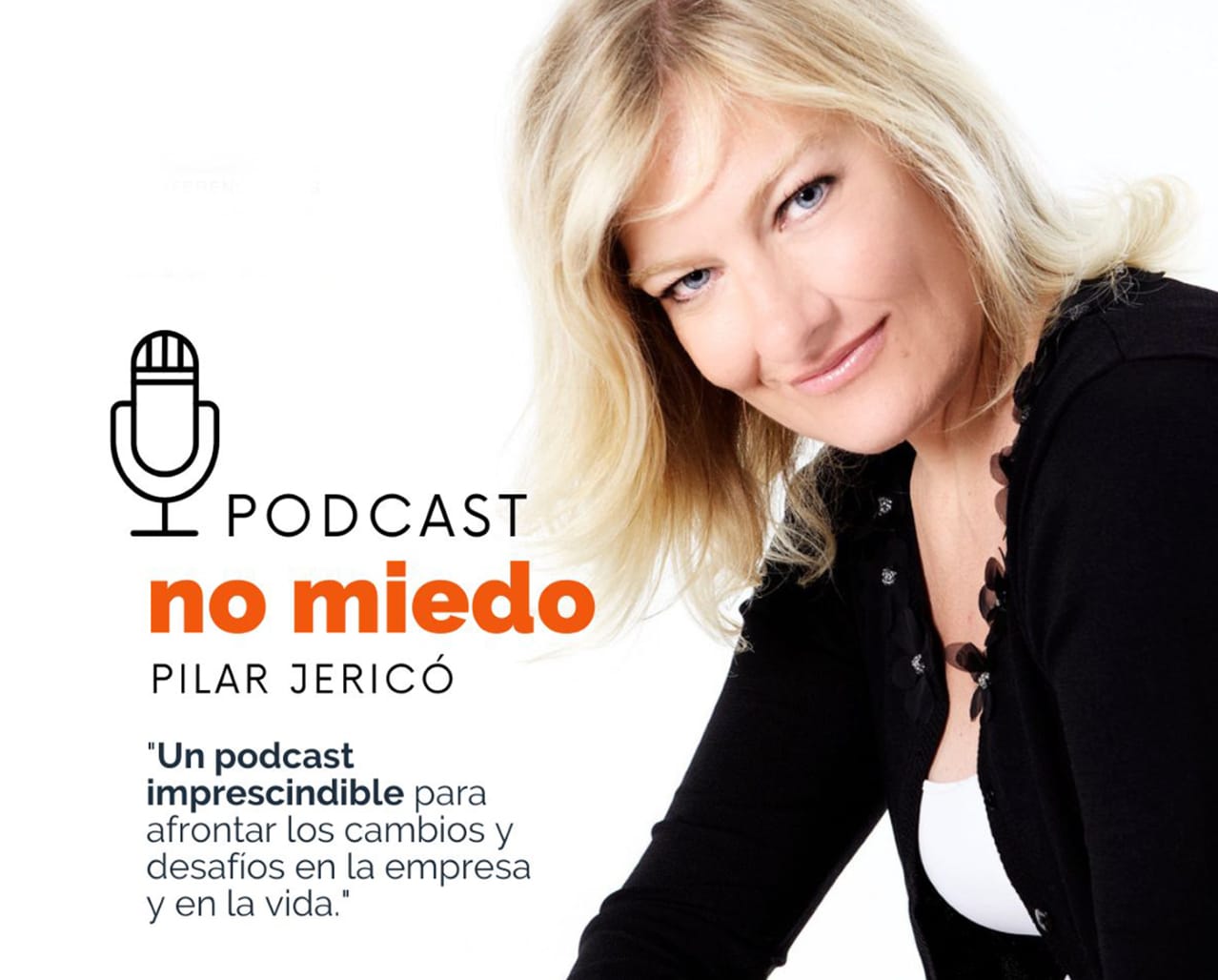
Escucha mi último Podcast
Un podcast para desarrollar una Mentalidad de Cambio en Tiempos de Incertidumbre
La vida no anda, corre, y con ella vienen cambios. ¿Les tienes miedo? No deberías. En este podcast, hablo sobre cómo ilusionarte y afrontar esos giros inesperados para que puedas aprovecharlos.
Ivoox:
Spotify:
Apple Podcasts:
ESCÚCHAME
Episodios publicados ♦
Suscríbete para recibirlos en tu e-mail y compártelos con tus amigos.
¡Ya disponible MI NUEVO LIBRO!
Contrataciones
Transforma tu equipo y tu empresa con Pilar Jericó.
Al hacer click en "Suscribirme" doy por supuesto que aceptas las condiciones de la Política de Privacidad de mi página web y formarás parte de mi newsletter.
correo@pilarjerico.com
Redes sociales
© Pilar Jericó | Aviso Legal | Política de Privacidad| Política de cookies